
Your Body Likes to Know What Happens Next: Why We Feel Life Changes in Our Bodies
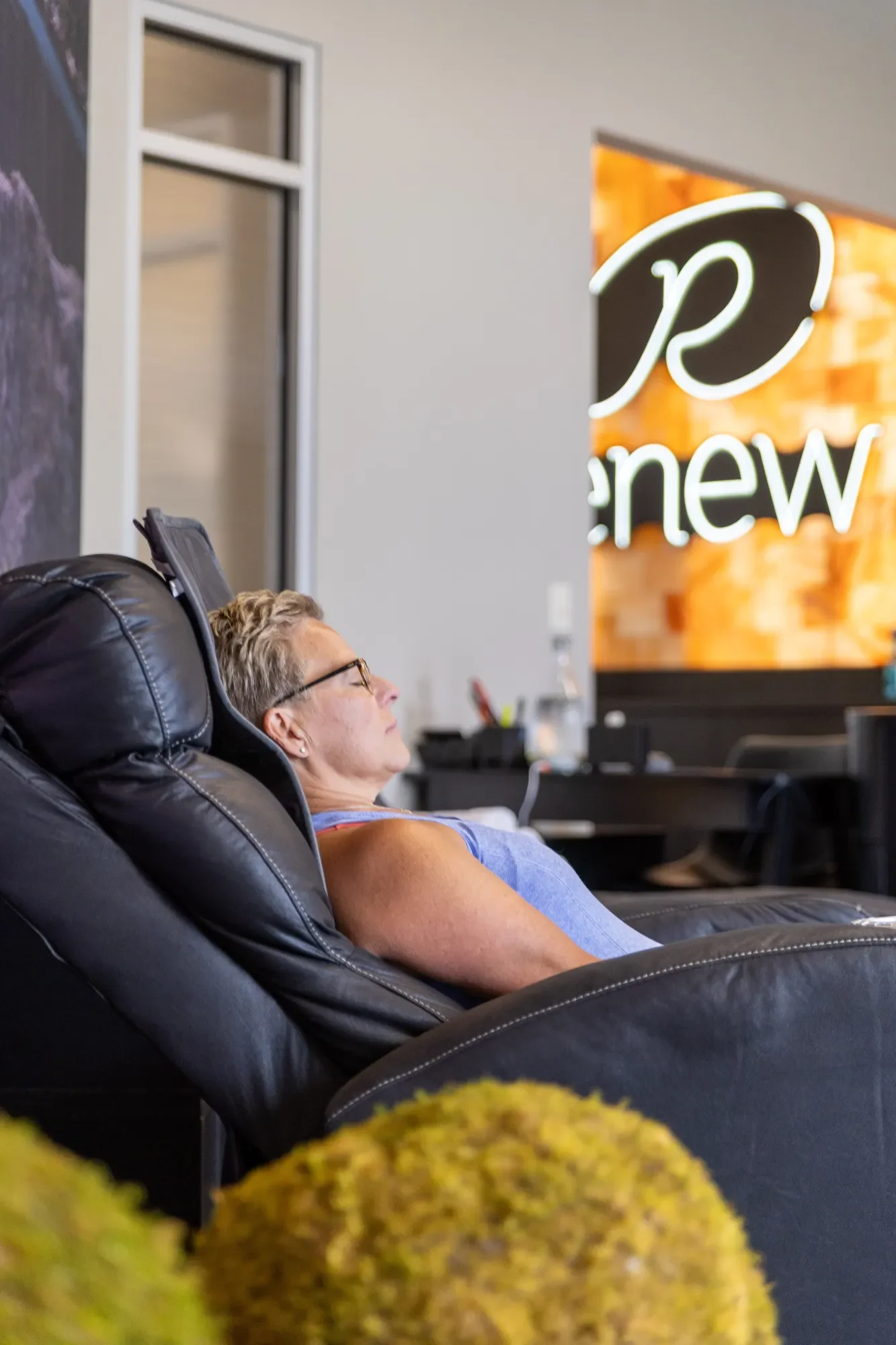
From guest blogger Ana Kat, Director of Renew Wellness Center
With a foundation in Eastern medicine and a passion for whole-person wellness, Ana Kat takes a multifaceted approach to helping people feel their best. As Director of Renew at Western Racquet & Fitness Club, she works with clients to explore personalized wellness strategies and supportive care plans that may incorporate modalities such as red light therapy, PEMF, and sound vibration therapy.
Ana also specializes in energy healing and leads breathwork sessions, with a particular interest in supporting people navigating chronic health concerns. Her approach combines her background in Eastern medicine with an ongoing curiosity about emerging wellness technologies and how they may fit into an individual’s overall wellness routine.
In this guest blog, Ana gives her insights on the ways in which changes in our lives affect us physically and how our emotions often translate into physical issues.
Human beings are creatures of routine, even the people who swear they aren't.
We wake up and reach for the same things. Feed the dog before making coffee. Take the same route to work every day. Know which floorboard creaks, which chair someone always sits in, and what time the house starts getting quiet. Many of our routines are done without us even noticing.
That is, until something changes.
A season ends. School starts. A kid goes off to college. A friendship or relationship changes. An animal isn't waiting where they always waited. Someone you love is no longer here. You experience an injury. Suddenly the smallest parts of the day can feel strangely hard.
Our brains are always trying to figure out what comes next. Repetition makes that easier. We learn the rhythms of our days without even realizing we're learning them. So when life changes, the mind processes it long before the body catches up.
You know they're gone. But for a second, you still look. You know the routine has changed, but some part of you still expects the next familiar piece of it.
Most of us are aware that changes to our routine affect us emotionally. But what many of us don’t know is that these changes in routine—from the smallest changes to the ones that rock our worlds—significantly affect us physically, too.
Grief, uncertainty, and changes don't always look emotional. Sometimes they look like disrupted sleep. Sometimes they look like losing your appetite or binge eating. Headaches. Tight shoulders. Brain fog. Being exhausted for no obvious reason. Feeling sluggish and uninterested in doing much of anything except sit on the couch.
This is one of the reasons I believe so strongly in looking at the whole person when it comes to figuring out the right wellness tools for someone.
At Renew, someone might walk through my door saying they're exhausted, not sleeping, hurting more than usual, or simply don't feel like themselves. One of the first things I want to know about that helps me understand what’s happening underneath those symptoms is simply “What’s been happening in your life?”
Your body is connected deeply to your emotions. It comes with you through loss. Through the stressful season, the caregiving, the heartbreak, the injury, ageing, growing up, and the hundred smaller changes in our lives we don’t always think “count.”
Integrative health is never about throwing a bunch of treatments at the body because something feels off. It’s about asking questions that help us get a better view of the whole picture of your life and how it’s affecting your body. The integrative health approach helps us recognize that the body isn’t necessarily failing us—it’s simply responding to us.
This is a major reason why the integrative health approach is so important to well-being. Breathwork or energy work might be just what your body needs to overcome the trauma of that awful breakup. Red light therapy or cryotherapy could be exactly the right thing that helps your nervous system calm down after a job change and helps you sleep again. PEMF or RF Detox might be what helps decrease the inflammation caused by the emotional stress of losing a pet. And sometimes, what someone needs most are those foundational things—taking a walk, eating something healthy, moving your body, going outside, letting a friend help, and taking moments to just breathe.
And the goal isn’t always going to be to get yourself “back to normal.” Sometimes there isn’t a normal to go back to. Sometimes “normal” isn’t something we want to go back to. But the body still craves that “normal,” because it has been conditioned by routine, and routine makes us feel emotionally balanced, which in turn helps our bodies feel balanced as well.
We spend a lot of time talking about letting go. But I think we talk less about what comes after we let go. That’s the strange, ordinary work of learning life without something that used to be part of it—work that should include our bodies, not just our brains.
If something has changed in your life recently, take a moment to notice where you feel those accompanying emotions in your body. Then start by finding a few small things you can repeat until your days start to feel a little more familiar again. Build new routines. Consider well-being treatments that will help support your body during challenging moments.
Healing isn’t a linear journey. Sometimes we don’t even realize we need to heal. We just know that something doesn’t feel right. And the first step to feeling right again is looking at the whole story and treating the whole person.
If you’re curious about what integrative health tools might make sense for you, you don’t have to figure it out on your own. Visit Renew’s webpage to explore the full range of wellness services available, find the approach that fits your life, and book a consultation.
Have more specific questions? Reach out to me at ana.kat@westernracquet.com to learn more about working with me through Renew.