
Diets Dissected: Veganism
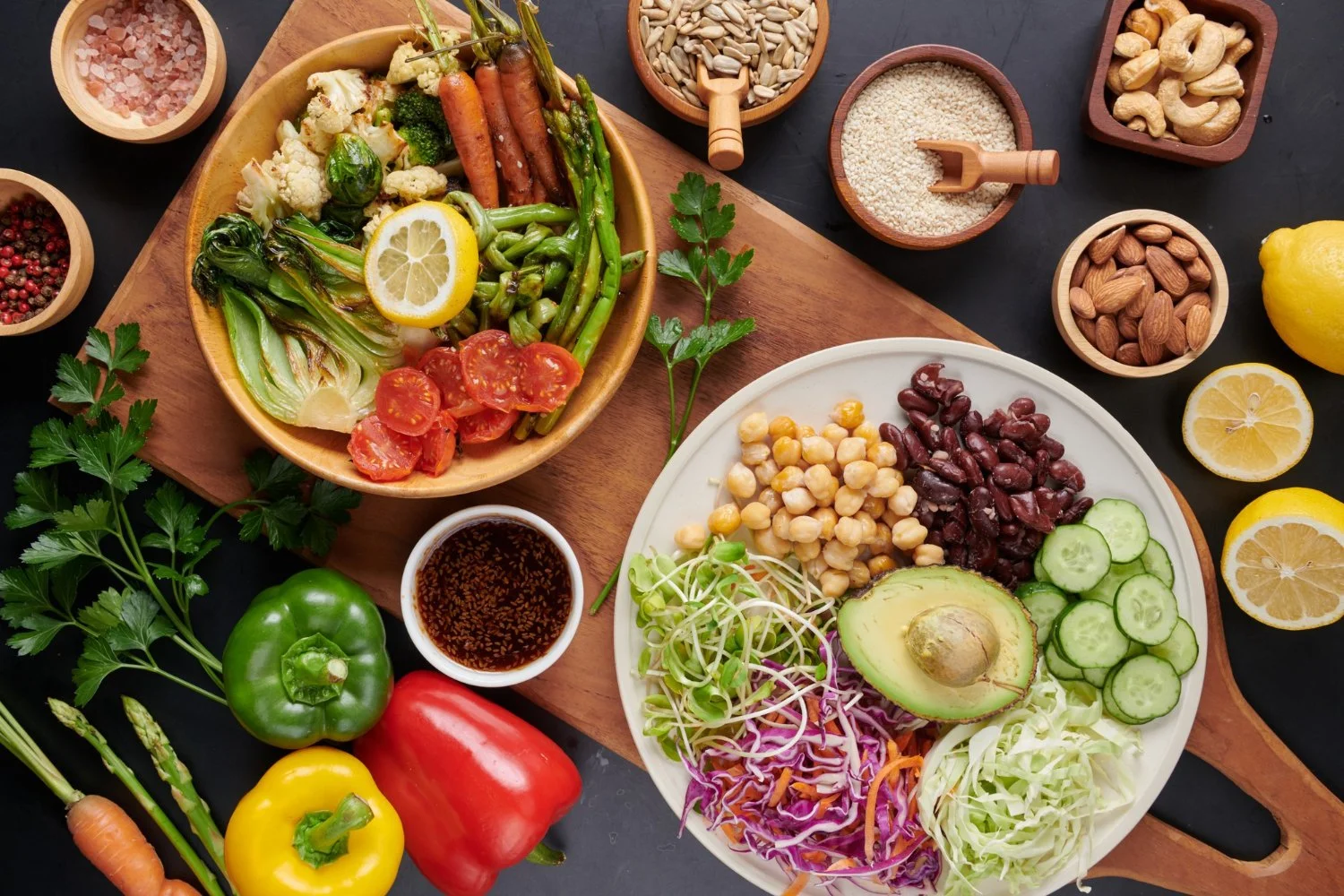
Welcome to Diets Dissected, a blog series where we team up with Western’s registered dietitians to take a closer look at popular diets. Our goal? To give you clear, fact-based information so you can make informed decisions about what works best for your body and your lifestyle.
Before we dive in, a quick note: At Western, we don’t take a one-size-fits-all approach to nutrition. In fact, we’re not big fans of restrictive diets. Our philosophy is holistic, body-positive, and rooted in long-term health, not quick fixes. That said, we also know that some diets can offer benefits when used thoughtfully and with good guidance. That’s why we’re here to unpack the science, talk through the pros and cons, and help you sort out what’s worth considering.
In this blog, we’ll explore vegan diets—what they are, why people choose them, potential benefits, possible downsides, and how to approach vegan eating in a healthy, sustainable way.
What is a vegan diet?
The vegan diet is made up entirely of plant-based foods and avoids animal products like meat, poultry, fish, eggs, and dairy. It’s less a formal diet, and more a lifestyle choice.
Many people assume vegan eating has to be strict and uncompromising, but in reality, most people fall somewhere along a spectrum. Perfection isn’t necessarily the goal. For some, it’s about making food choices that reduce animal suffering and decrease environmental impact. For others, it’s about gaining the health benefits of a plant-based diet. Now, what was once considered a niche diet has become more mainstream than ever. Vegan options are now widely available at grocery stores, restaurants, and even fast-food chains.
Nutritionally speaking, there are also some big upsides.
Western’s dietetic intern, Maya Jacques, says:
“A vegan diet encourages a wide variety of colorful fruits and vegetables containing lots of phytochemicals, antioxidants, and other nutrients that help reduce inflammation, protect the body’s cells from damage, and boost immunity.”
Why go vegan?
People choose veganism for a variety of reasons, including ethical, environmental, and health-related. Some people go vegan to oppose factory farming and the inhumane conditions in which factory-farmed animals are raised. Others are motivated by sustainability, as large-scale agriculture requires significant land, water, and resources, and contributes heavily to deforestation and habitat loss. Many people choose vegan diets for personal health goals and to support and manage chronic illness.
Regardless of why you might choose to go vegan, you’ll want to consider the benefits and downsides.
Health benefits of a vegan diet
Lower Cholesterol & Heart Health
Animal-based foods are often high in cholesterol, which is linked to heart disease and stroke. Plant foods contain zero cholesterol, and studies show vegan diets may reduce the risk of cardiovascular disease.
Antioxidants for Skin Health
Fruits, vegetables, nuts, and seeds are rich in antioxidants that help fight free radicals, supporting healthy, glowing skin.
Mood and Brain Benefits
Some research suggests vegan diets may support improved mood. In one study, vegans reported lower levels of anxiety and stress compared to omnivores.
Bone Health
Despite the “drink milk for strong bones” messaging many of us grew up with, plant-based diets can still provide plenty of calcium. Foods like kale, broccoli, and collard greens are excellent sources. There is also emerging research on neurological benefits, including reduced risk of Alzheimer’s disease and improvements in memory and mood.
Downsides of a vegan diet
It Can Feel Restrictive
If you don’t enjoy cooking or don’t have access to a wide variety of foods, vegan eating may feel limiting at time. Though vegan options are becoming more common, social situations like going out to eat with friends, attending family gatherings, and traveling can be challenging and require some planning ahead.
Nutrient Gaps Are Possible
Without careful planning, it’s easier to fall short on important nutrients like Vitamin B12, iron, calcium, iodine, selenium, and Vitamin D. Protein can also require more attention.
Maya notes:
“Plant proteins are typically less absorbable than animal protein, and very few plant proteins are considered ‘complete proteins’ (protein sources that contain all 9 essential amino acids).”
For the best health outcomes, vegan diets require intentional meal planning, smart food pairings, and sometimes supplementation—something many people may not feel equipped to manage on their own.
Who should be cautious about going vegan?
A vegan diet may not be ideal for everyone.
Pregnant or breastfeeding people should be especially cautious, since nutrient needs are higher for healthy child development. And athletes need to make sure they are getting an adequate amount of protein for safe training and recovery. Maya emphasizes that vegan athletes “should prioritize beans, peas, lentils, nuts, and soy products” to help meet protein needs.
What should you eat in a healthy vegan diet?
A well-rounded vegan diet includes:
At least 5 servings of fruits and vegetables daily
Whole grains like brown rice, oats, quinoa, and whole wheat pasta
Beans, lentils, tofu, tempeh, and other plant proteins
Fortified dairy alternatives like soy milk or vegan yogurt
Nuts and seeds rich in omega-3s
Unsaturated oils in moderation
Fortified foods or supplements for B12, vitamin D, iodine, calcium, iron, and selenium
Plenty of fluids throughout the day
Vegan recipes to try
If you’re considering going vegan, try these recipes, recommended by dietetic intern Maya Jacques.
Black Bean Chocolate Protein Bars
○ 6-8 pitted dates
○ 15oz can black beans, drained and rinsed
○ ½ cup oatmeal
○ ⅓ cup cacao powder
○ 1 tsp vanilla
○ Puree ingredients in a food processor, form into balls and store in fridge!
Source: LiveSimplyNatural, https://livesimplynatural.com/5-ingredient-black-bean-brownie-balls/
Banana Chia Pudding with Walnut Cream
○ 2 cups nondairy milk
○ ½ cup chia seeds
○ 1 large ripe banana
○ 2 tsp maple syrup
Walnut Cream:
○ 1 cup walnut pieces
○ ¾ cup nondairy milk
○ 3 pitted dates
○ 1 tsp vanilla extract
○ Blend ingredients for the pudding, then for the walnut cream, prepare in layers in
serving dish, chill for at least 2-3 hours, serve with toppings like granola or
banana slices
Source: Cooking For Peanuts, https://cookingforpeanuts.com/banana-chia-pudding/#recip
Is veganism right for you?
Many people who consider a vegan diet worry that they won’t get the right balance of nutrients without animal products. The truth is, a vegan diet can be very healthy, but it takes planning, education, and consistency.
At Western, we believe learning about nutrition should feel empowering, not stressful. If you’re curious about vegan eating or need help meeting your health and nutrition goals, our registered dietitians are here to help you build a balanced approach that supports your goals and lifestyle. The best diet isn’t the trendiest one. It’s the one that works for you!